There are an estimated 850,000 people living with dementia in the UK, 61% of whom don’t live in specialist care facilities. Around 60,000 people living with dementia are under the age of 65.
Now, more than ever, it’s important we look at how to make the built environment a comfortable, safe, and accessible place for this community. Dementia friendly design is as big a part of accessibility as adding ramps and Changing Places toilets; it’s appropriate for all public spaces, not just specialist facilities or even those primarily used by older people.
Each interior is unique and use always informs the design that applies to designing for dementia too. No space will ever work perfectly for everyone living with dementia but by being mindful and educating ourselves on how people navigate their environments, we can open them up to greater sections of the community. This doesn’t just help improve the experiences of those with dementia but their families, friends, and carers too as they help them live as full a life as possible.
As designers, we have a responsibility to understand the barriers that people with dementia face when using public spaces and ensure we apply best practice to improve the end user experience, as well as help people maintain independence for as long as possible. This applies to all public spaces, from more obvious hospital and medical settings, to shops, hospitality & leisure venues, and workplaces.
Dementia friendly design can be complex, but it’s often guided by practices that can improve user experience for many people, not just those living with dementia, as they’re designed to make key aspects of navigating a space simpler.
Some may be concerned that designing with dementia in mind will take something away from the freedom of designing for non-dementia users, that it will compromise creativity and style. The truth is that good design is always done with users in mind and these principles will always guide the creativity – form follows function! However, there is still plenty of scope for beautiful design if done well. Plus, there is plenty of evidence that the same measures that make a space more accessible to those with dementia can also improve the experience of others, such as those with visual impairments, neurodivergence, sensory processing disorders and more.
Here are some of the elements we consider as part of the design process:
Wayfinding
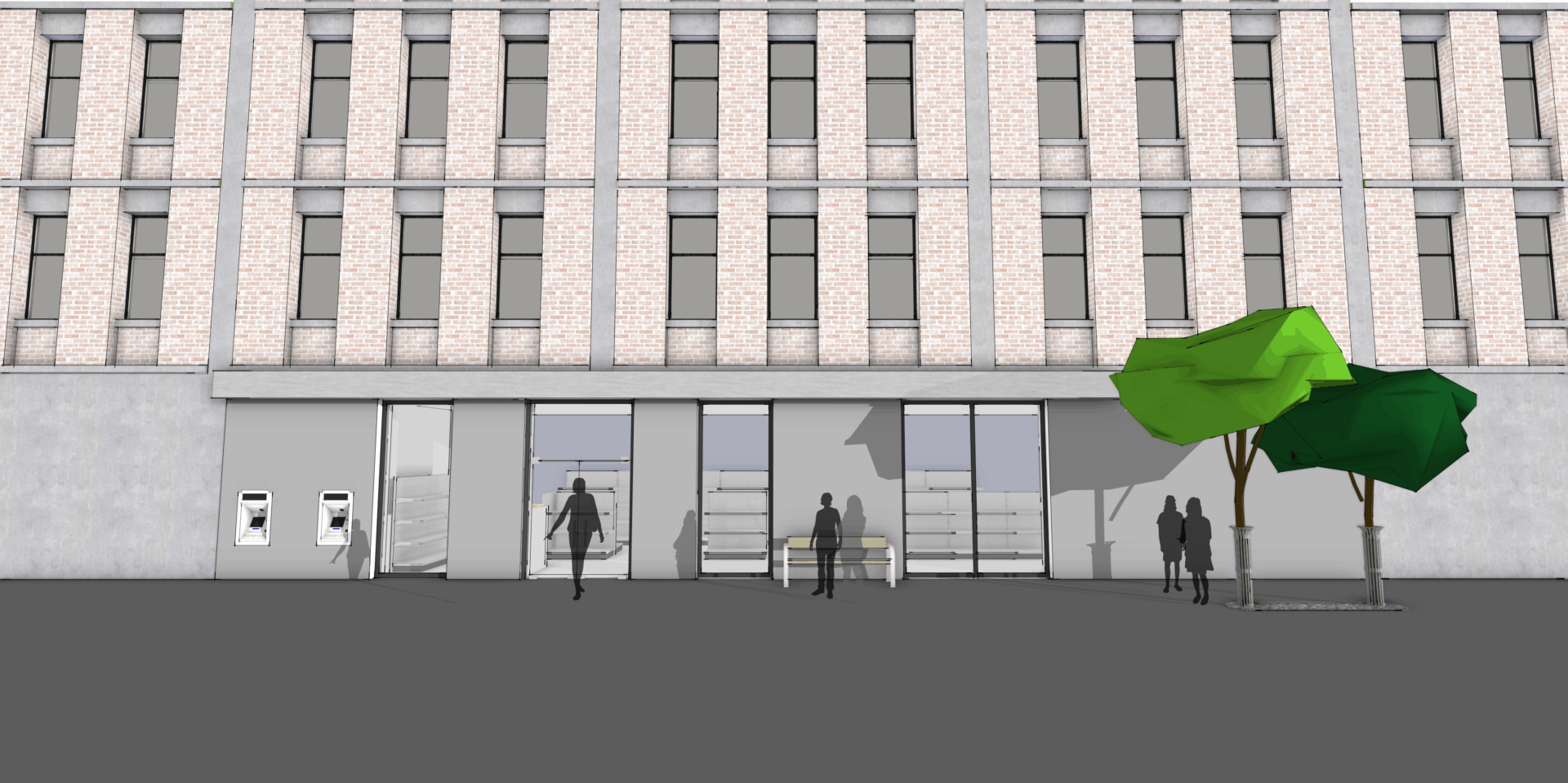
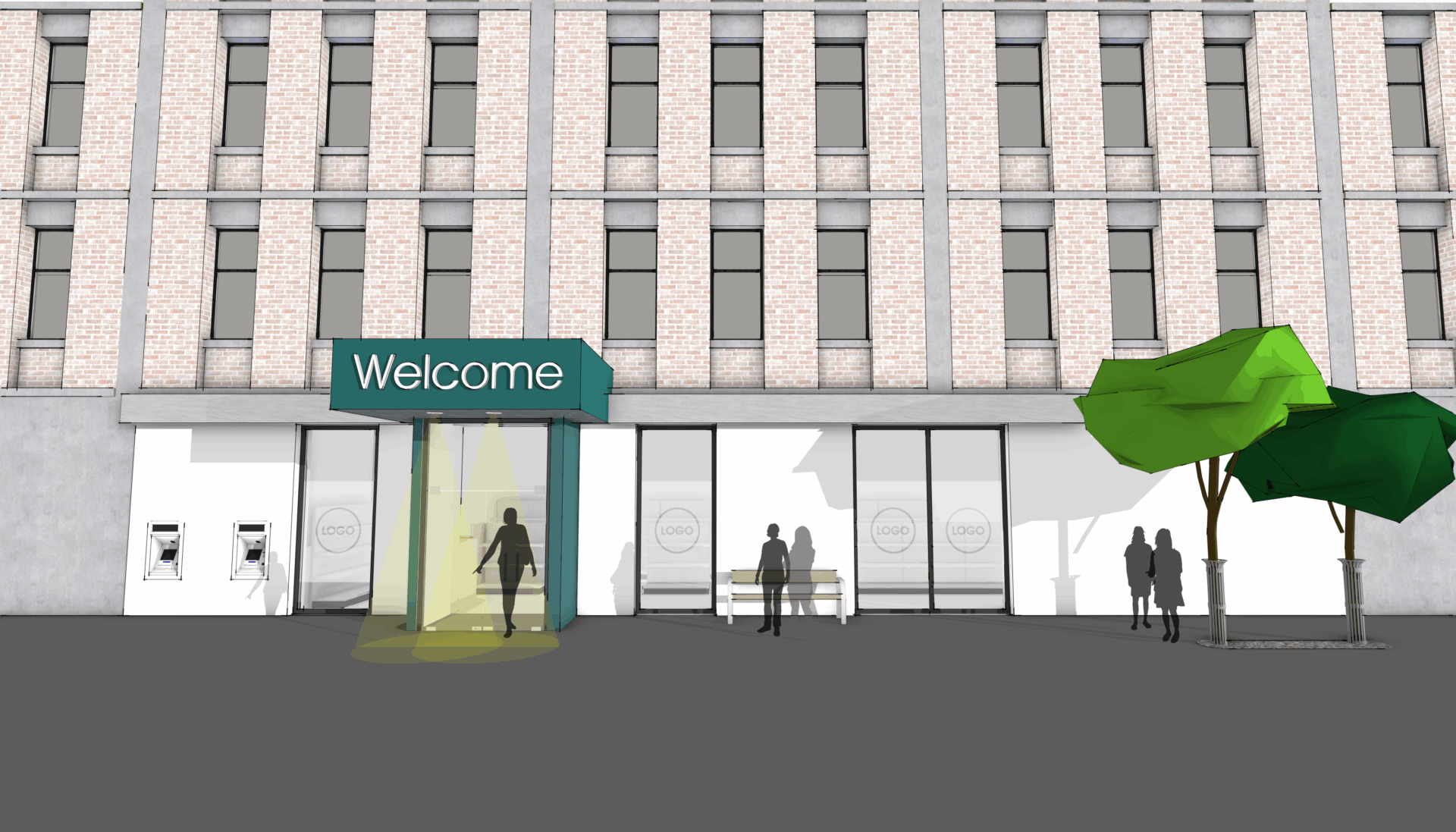
Being able to find your way around is essential to maintaining independence but research shows that wayfinding can be one of the first things to suffer in the early stages of the condition. Being able to determine where to go is a key objective of design in any environment but it’s especially important for those with dementia. Strategies include emphasising the main entrance to a building, especially the doors, using large scale signage, using images as well as words, and considered lighting will help people to find their way inside.
Visibility
The fear of the unknown can be very real. This can be mitigated by providing information about a space before entering it. This could be a view of the room via a vision panel in a door, so people can see in and make a choice about whether to enter. Clear wayfinding signage will also help, and this should be both directions, as you can’t assume that people can reverse their steps back out.
Lighting
In terms of lighting a space, many industries have moved on from a binary choice between lights on or lights off. Flexibility in terms of brightness and zones can transform spaces and make them suitable for a variety of functions. These same principles that can encourage sales in retail stores or allow for different outputs in workplaces, can also work for dementia spaces such as more subdued levels for calming spaces, or brighter lights and zoning to guide wayfinding. Lighting that’s too bright, too dim, or just too uniform can be disorienting.
Tone and pattern
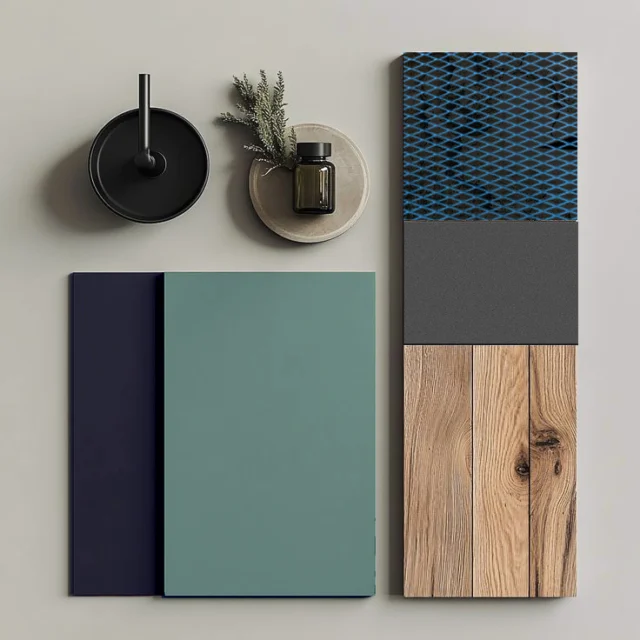
Perception is another cognitive function that dementia compromises, making various elements in a building not only disorienting but potentially frightening. Taking tonal contrasts of interior finishes into consideration to help with differentiating between critical surfaces will assist in allowing people to experience and navigate a space comfortably.
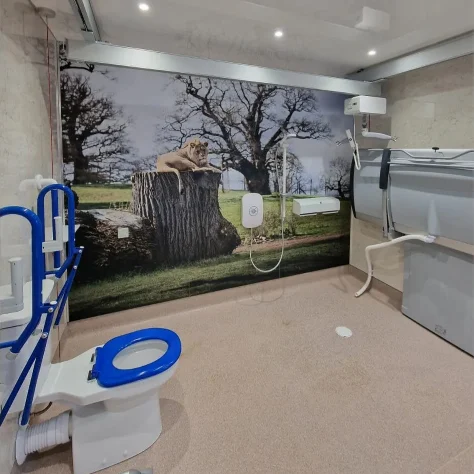
Considered application of patterns or prints will help bring a space to life giving it more interest and variety but large, bold, and busy prints or patterns can become distorted and cause visual illusions, leading to disorientation and higher risk of falls. Over stimulation and sensory overload can be distressing (this can also be relevant to neurodivergent users). However, this does not mean that spaces must be bland – carefully selected and implemented patterns and bold prints can work when used appropriately.
If the answer is you don’t know, chances are they probably aren’t. Without specific insights, they could include many pitfalls that you wouldn’t know about – could a pattern on a carpet look like a hole? Do your signs have the right level of contrast between text and background? Have you successfully visually differentiated between doors and spaces that can be accessed and those that shouldn’t be?
Get in touch if you’d like to discuss how your spaces can become dementia friendly, without looking like a care home.
Let's Chat