Designing spaces for well-being

02 April 2025

10 ways interior design can positively influence an end user’s experience

The more obvious benefits of interior design are that they make a space look good and work well. If they don’t, they’re not designed well. But are these goals ambitious enough? We know from our years of experience that great design doesn’t stop there; it can deliver on a range of objectives including boosting mood, improving productivity, and aiding well-being.

How? Well, this is a topic that we could write books on (if only we had the time!), but here is a really quick overview of 10 ways that considered interior design can positively influence those who experience it:

  1. Be guided by human nature
    Spaces need to work with and embrace human nature; incorporating natural foot traffic patterns and thoughtfully arranged furniture to create a seamless, intuitive flow.
  2. A sense of ‘place’
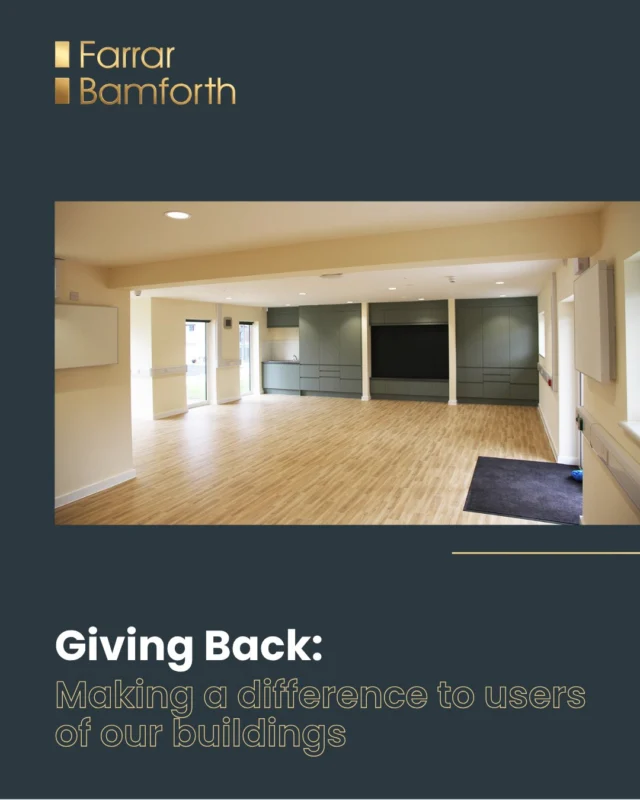
    Recognisable features that ground people in their surroundings can create a strong ‘sense of place’ or feeling of belonging. That could include effective signage, thoughtful brand integration, environment-inspired colours and finishes, and clear sightlines that enhance navigation.
  3. Providing the end user with choices
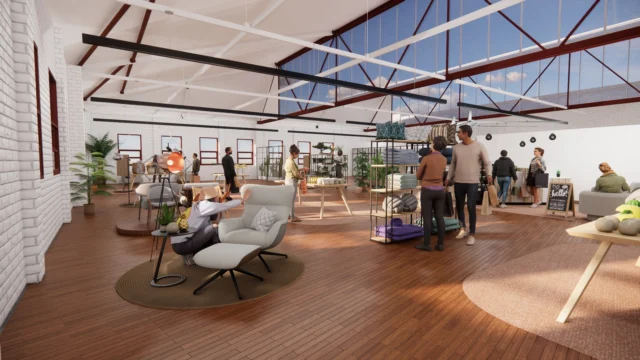
    Options to use spaces in different ways make them fit for purpose and avoid restrictions. For example, a workplace could offer spaces for focused work, desk-based tasks, and collaborative activities. A waiting room may offer private spaces and communal areas that meet users’ varying needs.
  4. Colour and tone
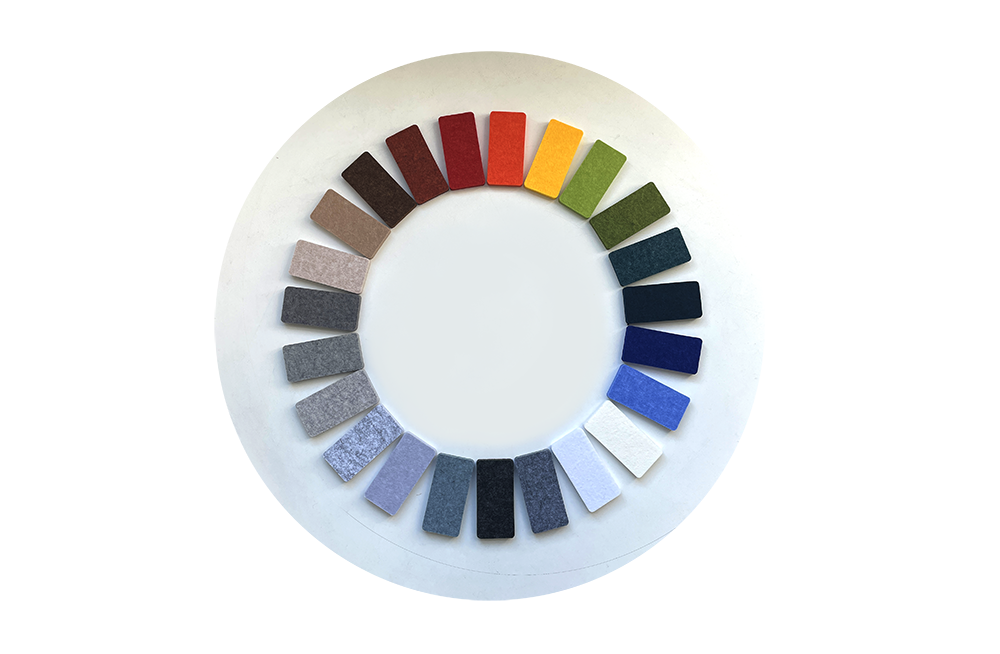
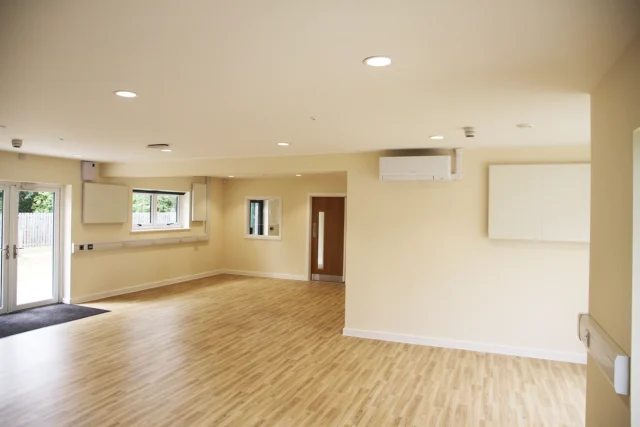
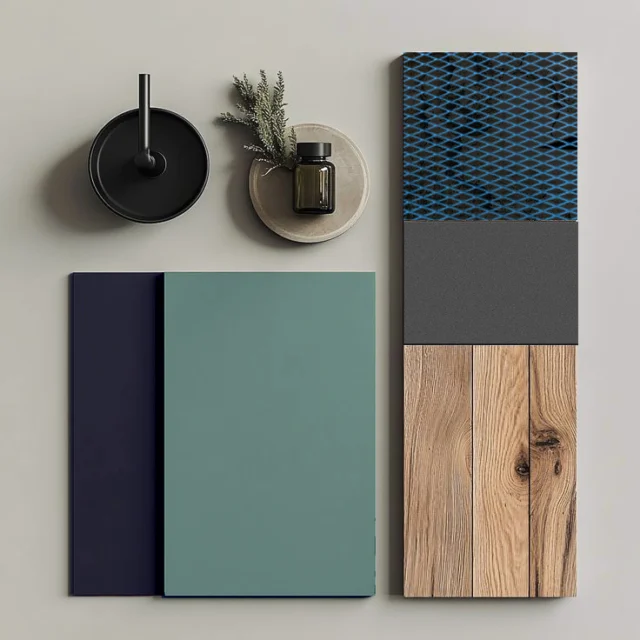
    It won’t come as a surprise that we’d include colour as a tool of good interior design but it’s very much about considering the impact of being in that space, and tone can play a huge part too. For example, many would assume that light colours make a space seem big, bright, and airy but in reality, too many white walls can feel stark and clinical, which can stunt motivation, inspiration, and concentration. Warmer tones can be much more conducive to creativity.
  5. Biophilia
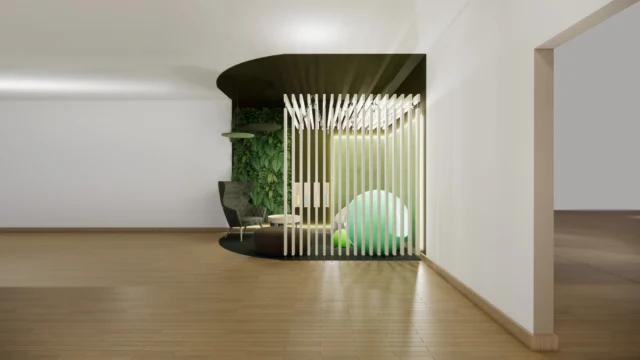
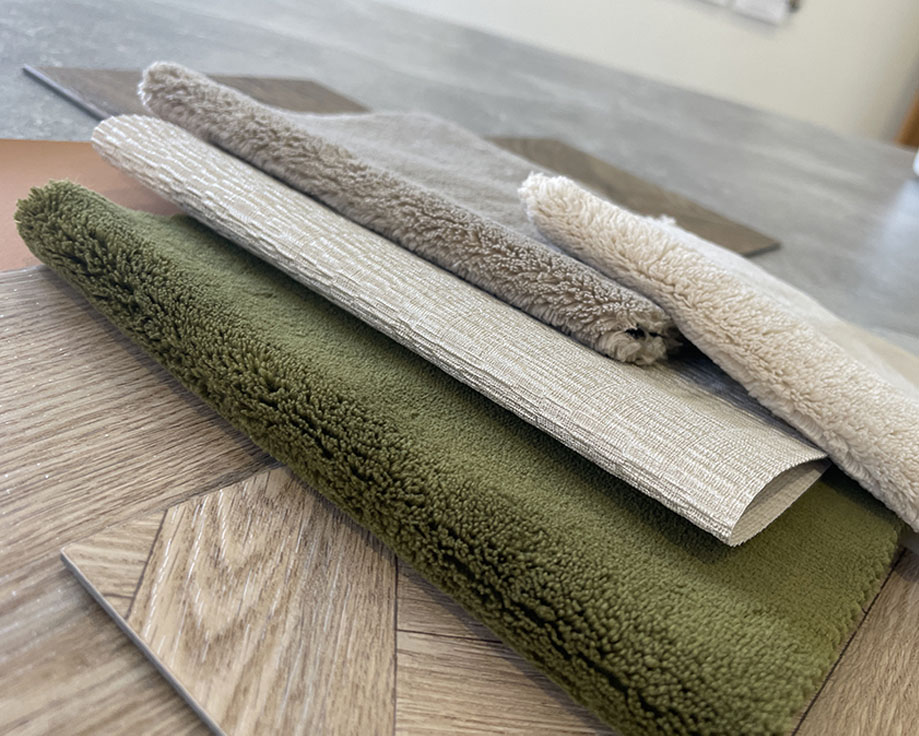
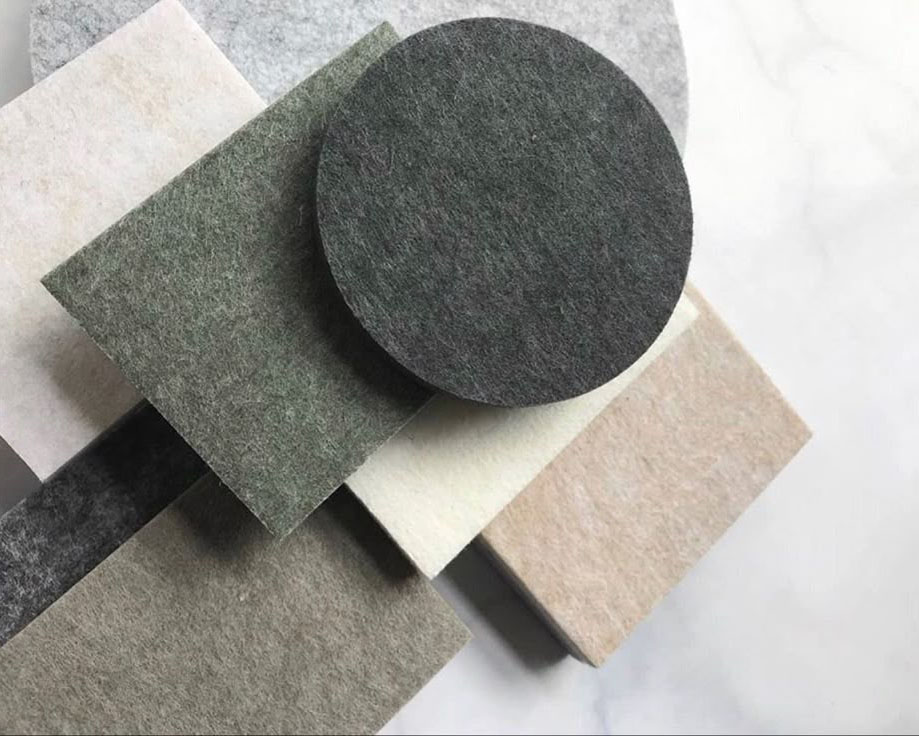
    The principle of biophilia is to bring nature into indoor spaces, due to its power to alleviate stress, improve cognitive function, and improve productivity. This can be a literal interpretation, such as including plants, or more subtle approaches like natural materials and finishes and even nature-inspired colour palettes.
  6. Boundaries
    It’s human nature to respond well to clear boundaries that help us make sense of a space. By defining areas through demarcations in flooring or using mid-floor partitions, you can avoid feelings of disorientation.
  7. Boldness
    Embrace the bold, if a space can take it! Bold colours, features, or lighting can leave a lasting impression when they are used in a considered way.
  8. Lighting
    Light levels can make or break a space, and it has to be appropriate for intended use. Where a space has several uses, the lighting may require varying levels. Getting it wrong can have major consequences: light that is too bright can cause headaches, too low and it could lead to disorientation, too cold and it’s uncomfortable, too warm and invites dwell time.
  9. Mitigate noise
    Our senses play a huge part in the way we experience a space. As well as the visual aspects of colour and light, we’re impacted by temperature, scent, and especially sound. Noise can be very disruptive, whether that’s from other people or the processes of the space. Interior design can mitigate the effects of noise by managing acoustics through clever use of furniture, materials, and spatial planning.
  10. Maximising space
    Post-pandemic workplaces have changed in nature, and it can be difficult to transition from home working to busy office spaces. Spatial planning can mean the difference between carving out areas where users can remain calm, focused, and able to perform their activities without being overlooked, to feeling cramped, claustrophobic, and exposed.

Obviously, each of these 10 areas is much more complex than anything we could write in a blog but these are all elements that we look at when creating an interior, led of course by the needs of the users.

Keep an eye on the site for further exploration of individual concepts where we aim to go into further detail to show the potential opportunities.
What we're up to

Stay in the loop

Sign up to stay in the loop with the latest industry news and insights.