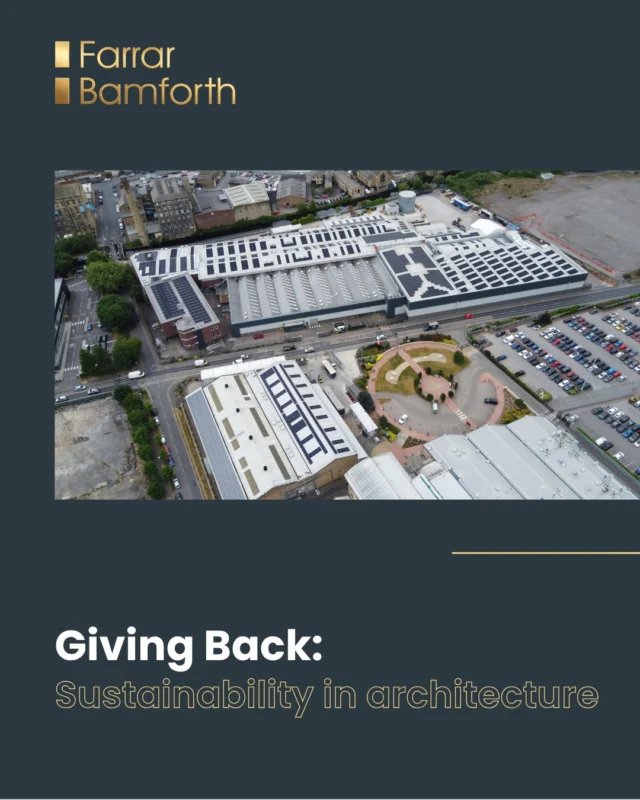
In October 2023, we moved from our home of 40 years on Trinity Street in Huddersfield (pictured here), to our new studio in Bates Mill, a converted 19th century textiles mill on Colne Road.
After 40 years in our previous office, we’re sure it comes as no surprise to anyone that a major factor in moving was because we had outgrown the building and needed somewhere more suited to our needs. But that’s only part of the story. The move to this specific location ticks a number of boxes, mostly functional but some sentimental and historical as well.
Being architectural technologists, whose discipline is routed in science, we’re not ones to believe in fate but there is, nonetheless, a feeling of serendipity surrounding our relocation to this building. That’s because we were in charge of the conversion from mill to commercial space around 15 years ago.
Back then, we were very determined that the character of the building be retained without compromising on functionality for the variety of businesses that would make it their home, but we never dreamed at that time that one of them would be us.
Sentimentality aside, this move wouldn’t have happened were it not for the multitude of very functional and practical benefits that it has brought. These include, but are not limited to:
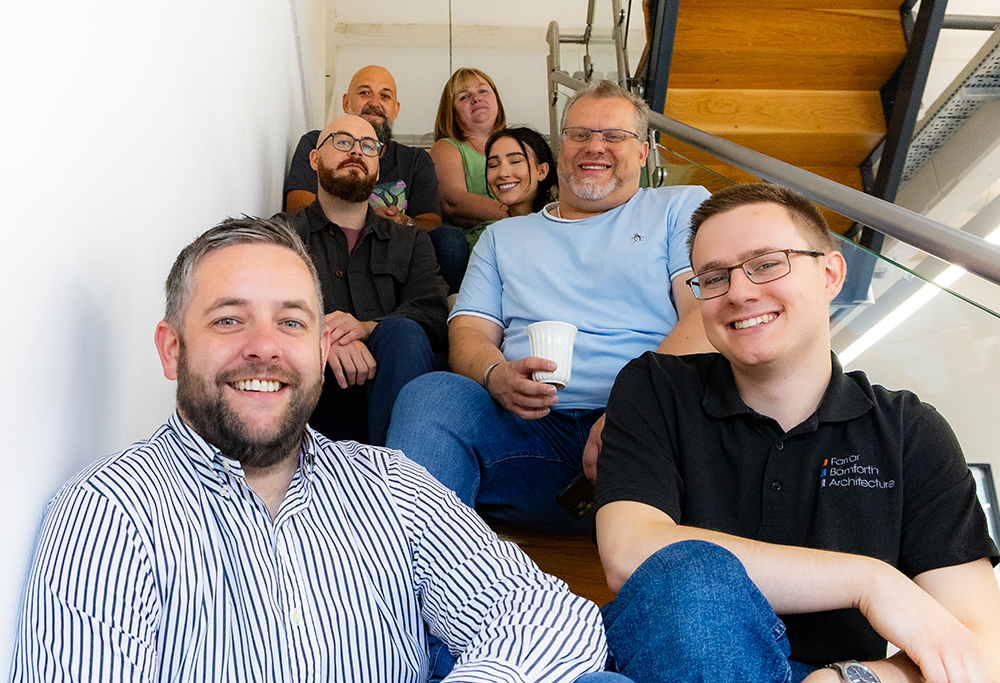

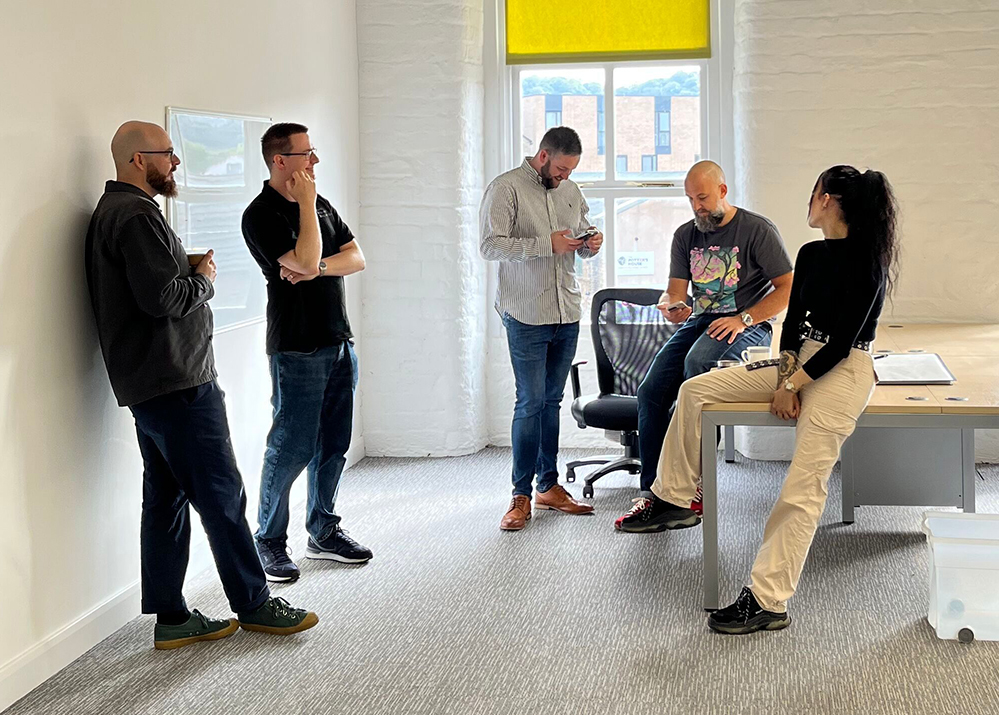
All of the above add real value to our move here but the main driving force for us is a desire to truly practice what we preach in terms of sustainability. We design buildings with the ethos of ‘fabric first’ – ensuring that the integrity of the fabric of the building maximises its energy efficiency. After all, you can specify all the renewable and high tech solutions you want but if the energy leaks out, what’s the point?
Bates Mill has recently received its Energy Performance Certificate (EPC) rating of B (the scale goes from A to G, with A being the highest). For comparison, the building at Trinity Street is G.
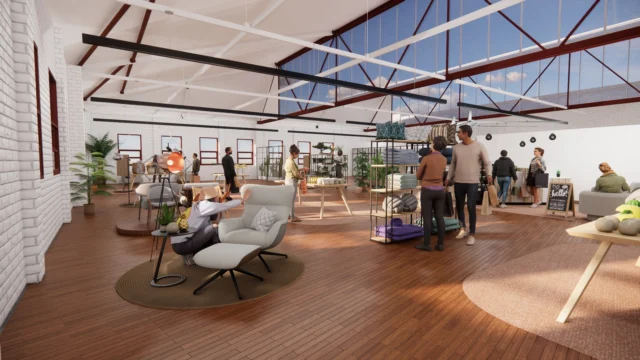
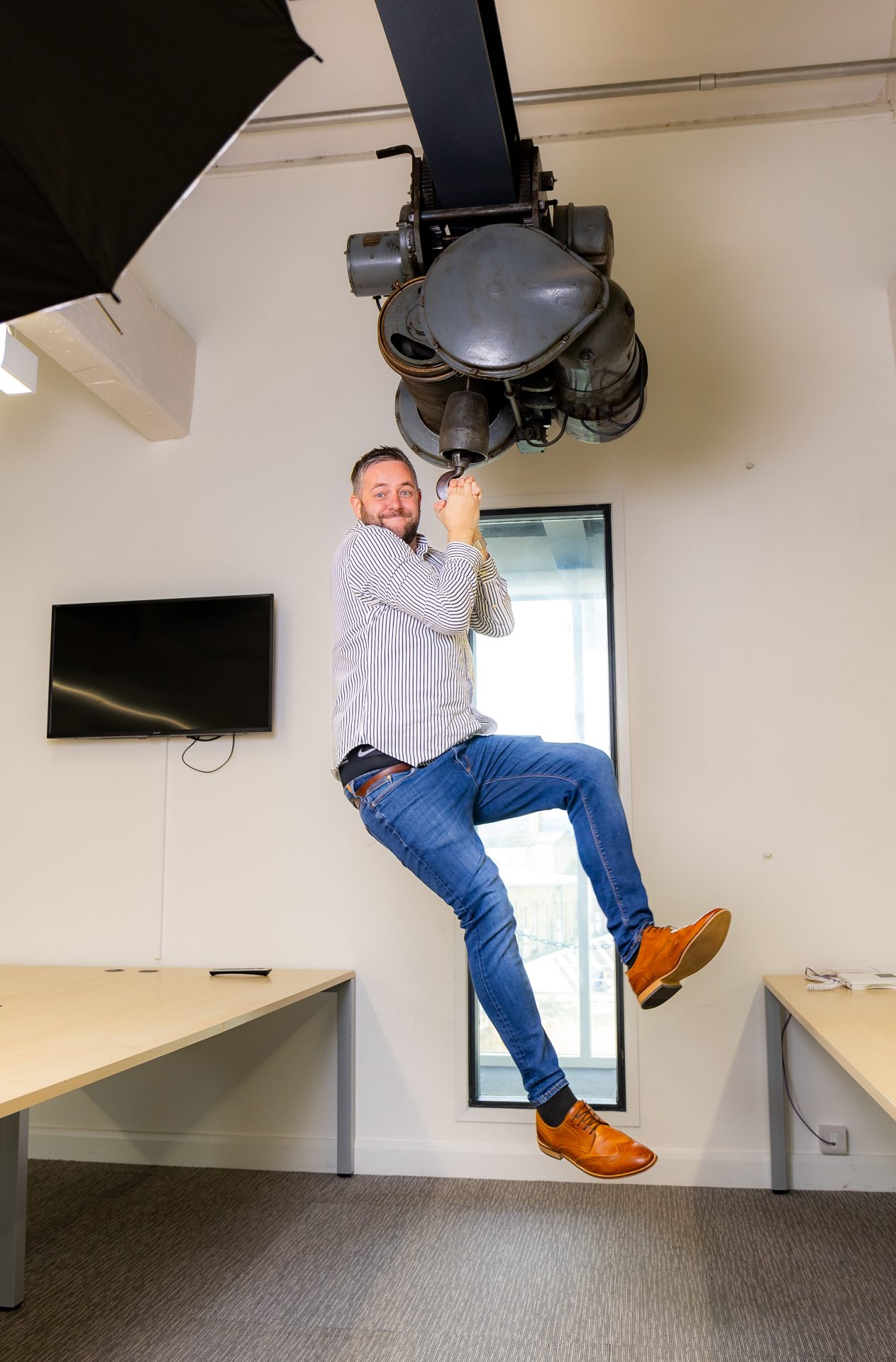
Not only is this important to us in terms of what we do, but it’s a testament to the conversion that we did a decade and a half ago on a building that is over 100 years old, Grade II listed, and has no external insulation. We also made sure that the conversion was conducted in a sensitive way, with many original features retained. Our own office has exposed steel beams and a steel hoist for moving heavy bags of cloth around.
Of course, sustainability is not just about energy efficiency. This move will also help us to develop as a team and as a company and take us well into the next phase of the business for the next 40 years (or more!).