When we are designing spaces in learning environments like schools, alternative provision, and SEND settings, we don’t just design for what you can see; we’re also thinking about what you can hear.
We have many interior design strategies that make school environments work better. These include things like how the spaces flow, colours, tones, and textures in the material finishes, even organising how information is displayed etc, but not everything we design is for visual engagement. How the environment feels and performs acoustically is a great example of that.
Put simply, designing acoustics that reduce noise and reverberation helps people distinguish the sounds they need to hear from the ones they don’t. This is universally beneficial for students and for staff.
Children’s brains that are still developing language skills find it harder to distinguish speech from background sound. Add in those for whom English is not their first language, those with hearing impairments, or with special educational needs and it’s easy to see why too much noise hinders comprehension. Neurodivergent students with autism, ADHD, sensory processing differences etc can also easily be overwhelmed by sound. It can cause stress and anxiety, confusion, and dysregulation.
The adults in those spaces benefit too. Teaching a class becomes easier, their students’ understanding is faster, behaviour is better, and it can reduce vocal, and mental, strain and stress.
A common issue that many schools have is widespread use of hard surfaces, with materials chosen for easy maintenance and durability. These materials bounce sound rather than absorb it, creating reverberation and making spaces echoey and disorienting.
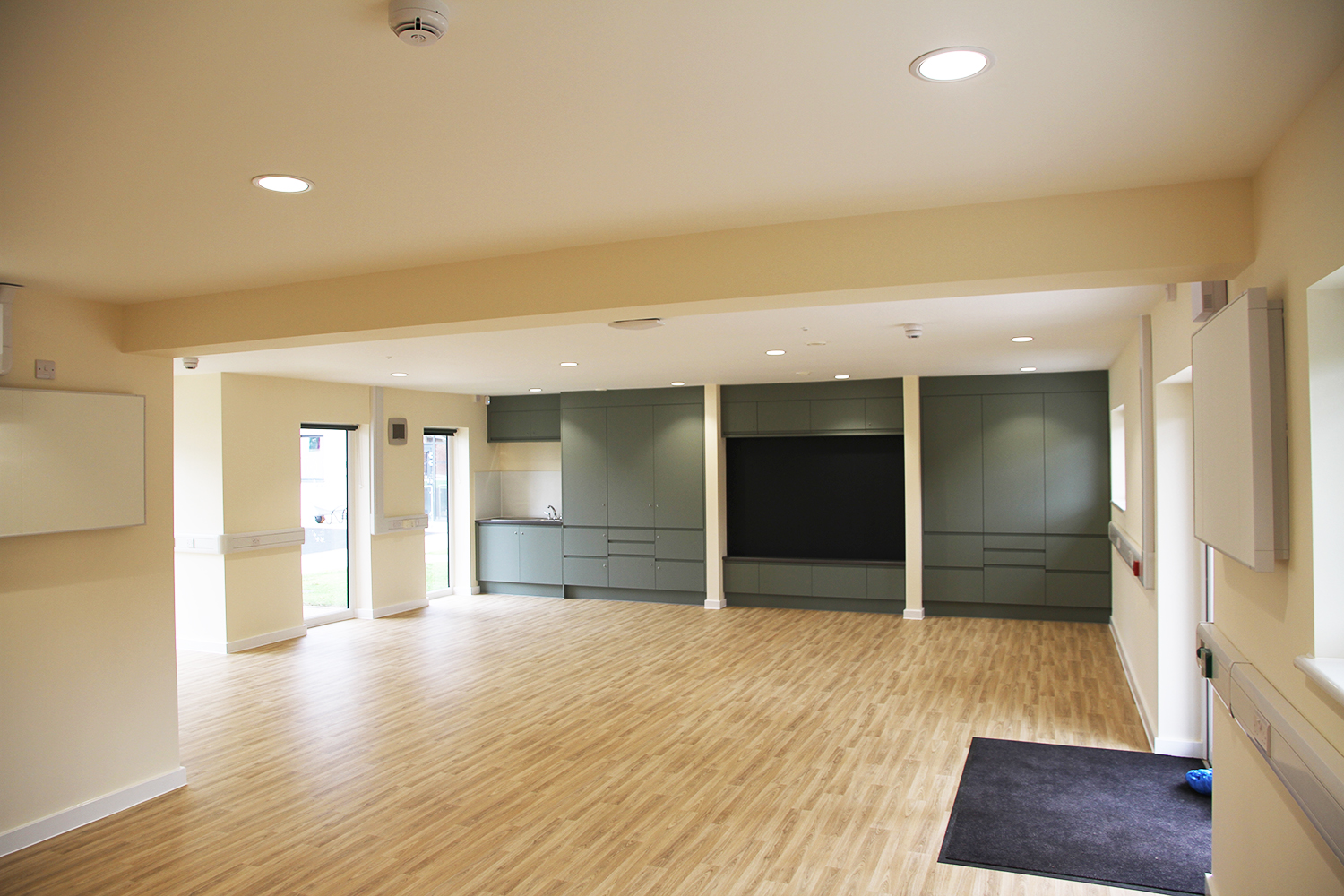
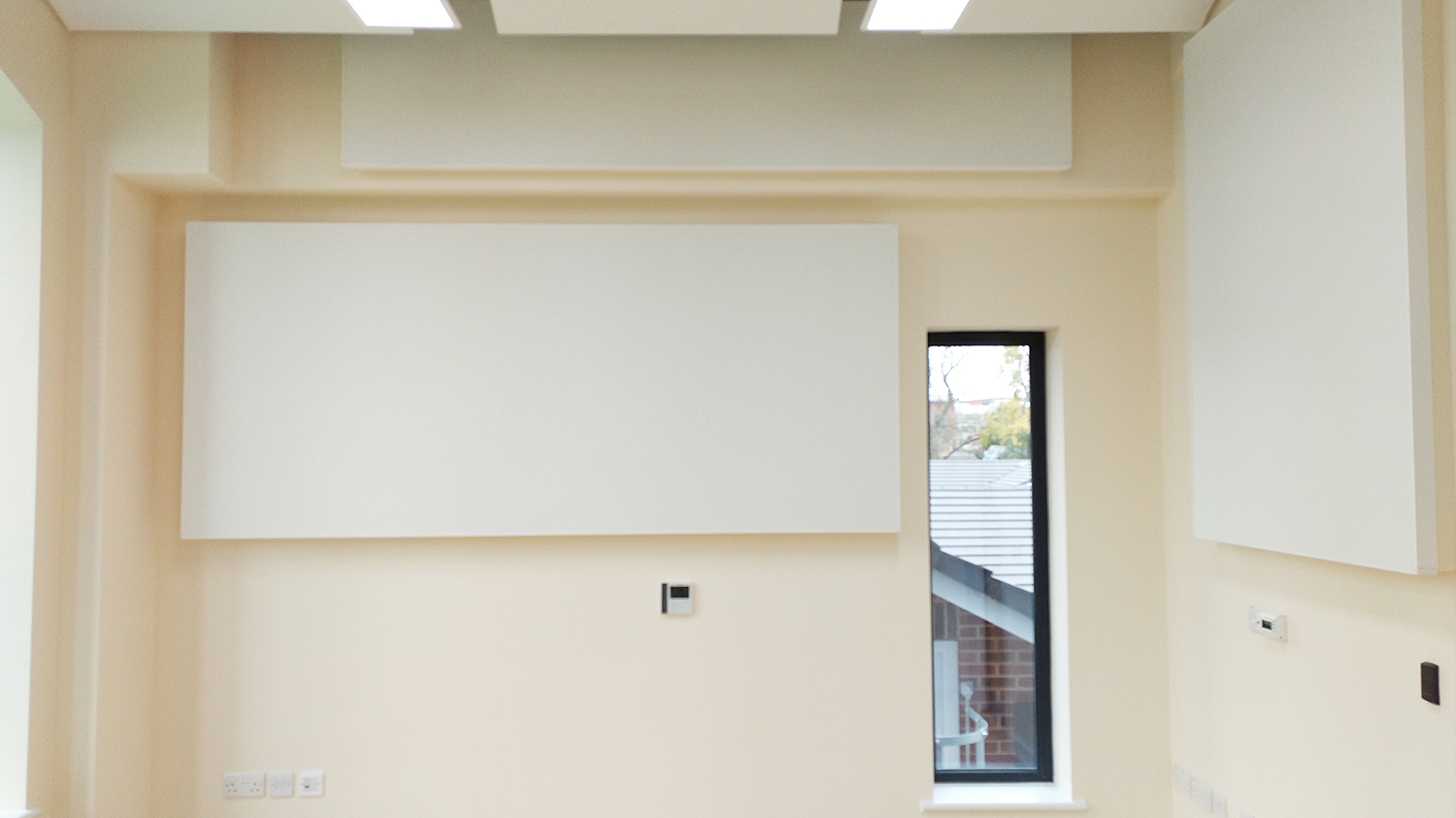
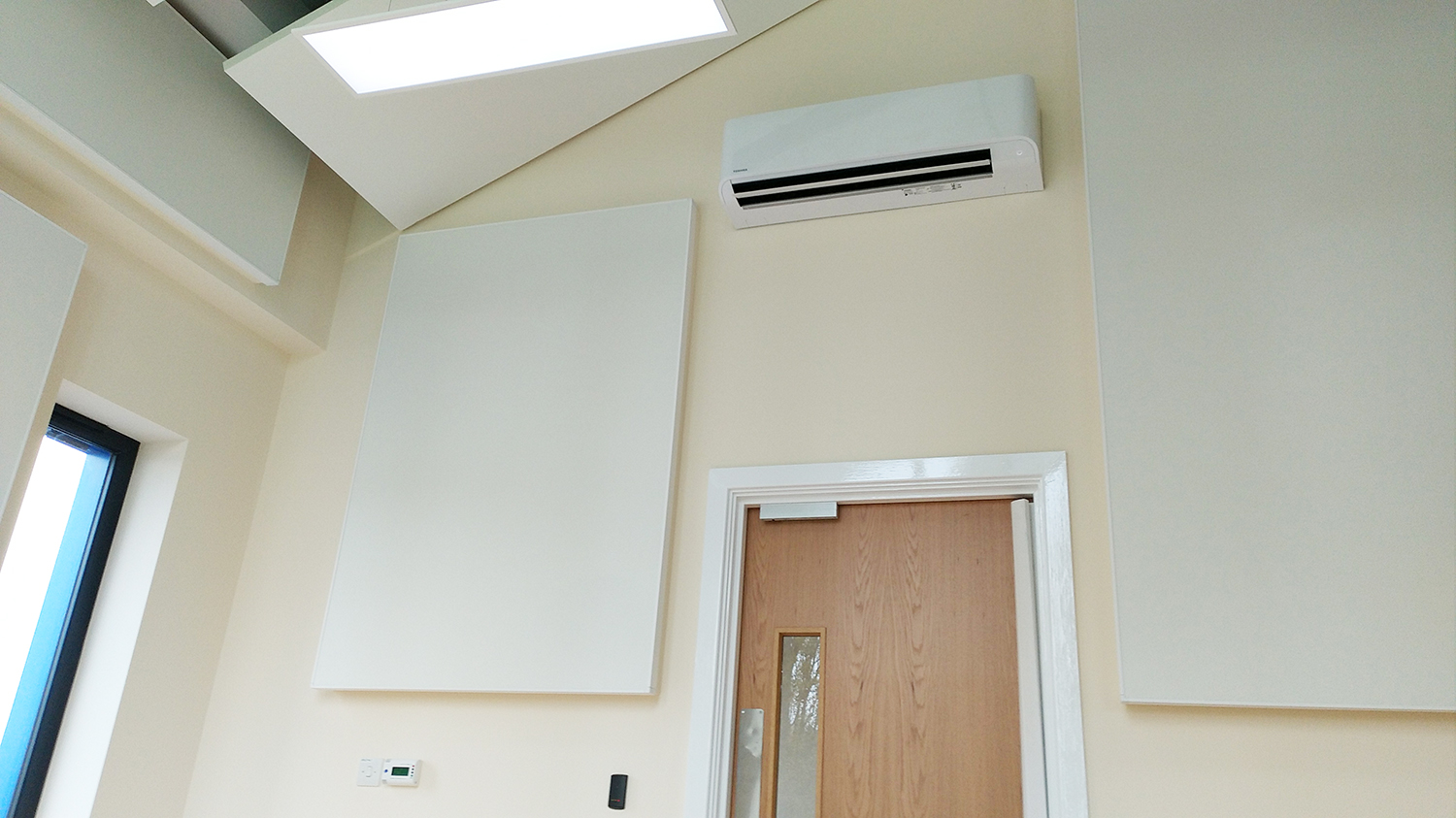
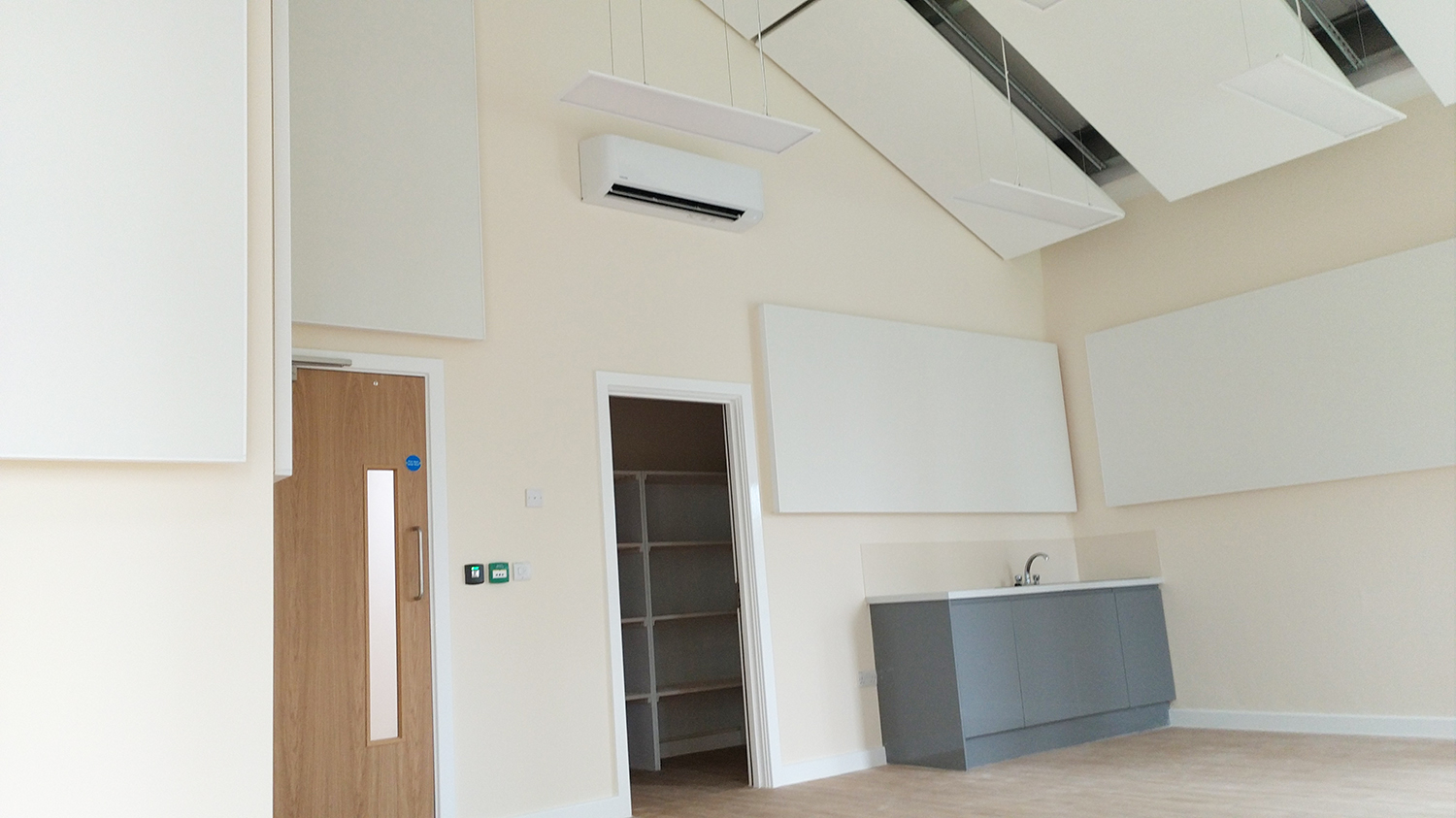
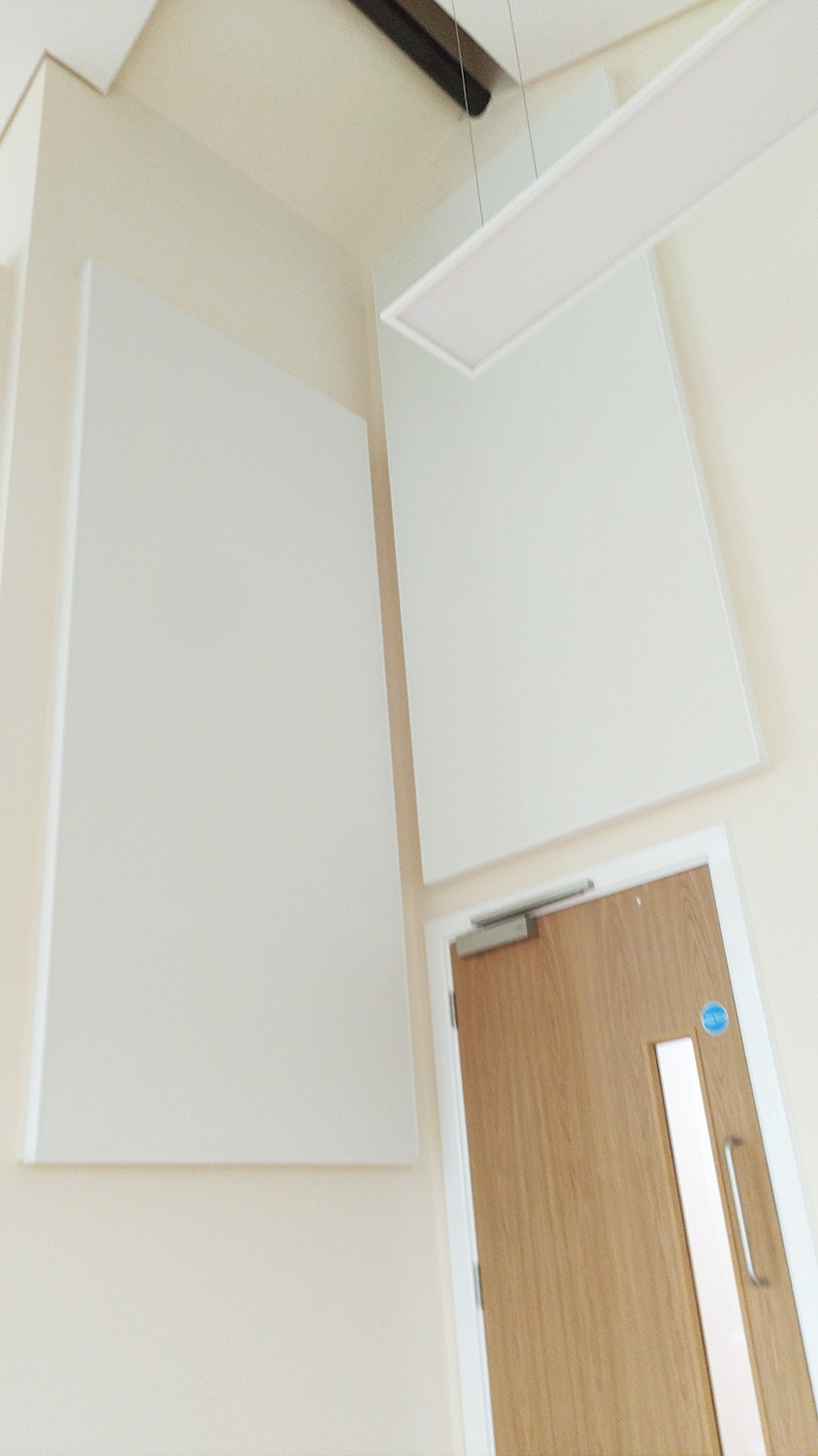
When we are designing school environments, we include strategies to dampen sound through soft finishes, underlay and carpeting, wall build-up specifications, upholstered seating and nooks, soft partitioning etc. You can see below some examples of acoustic panels incorporated into classrooms at Ivy Lane School, which is a setting for students with complex needs.
The difference it can make is incredible and creates an environment that supports learning rather than hinders it.
See the Ivy Lane School case study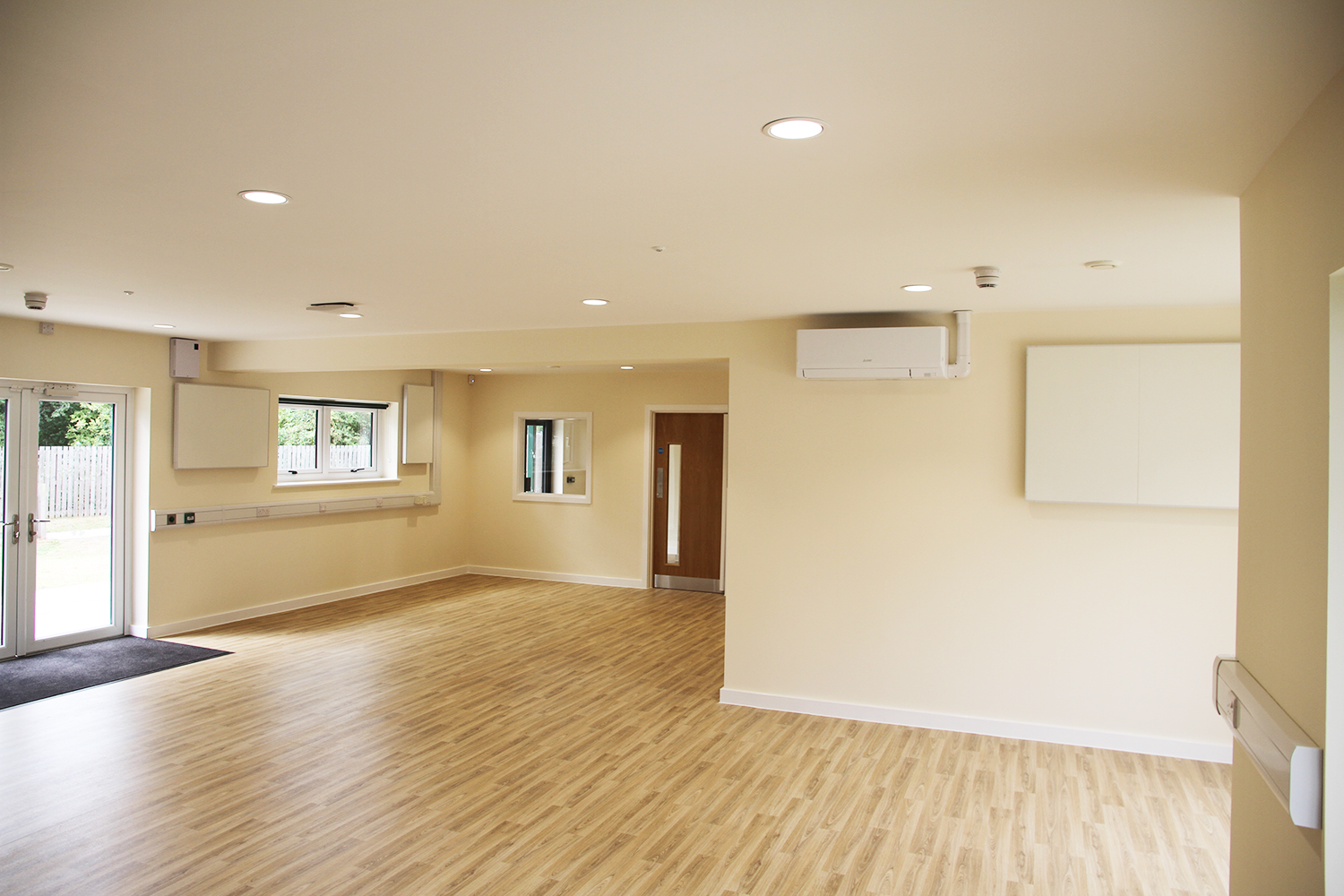
Designing the space in which students learn for success goes hand in hand with great teaching. Can we help make yours work better? Get in touch for a chat about how we can support you through design.
let's talk